March 12, 2026 Madrid, Spain 500+ attendees
AECOC National Transport Forum 2026
Kinepolis Ciudad de la Imagen, Pozuelo de Alarcon
The AECOC National Transport Forum is the main meeting point for all actors in the transport and logistics value chain in Spain. After 25 editions, it has become a strategic space for anticipating trends, contrasting visions, and advancing a common agenda across the sector.
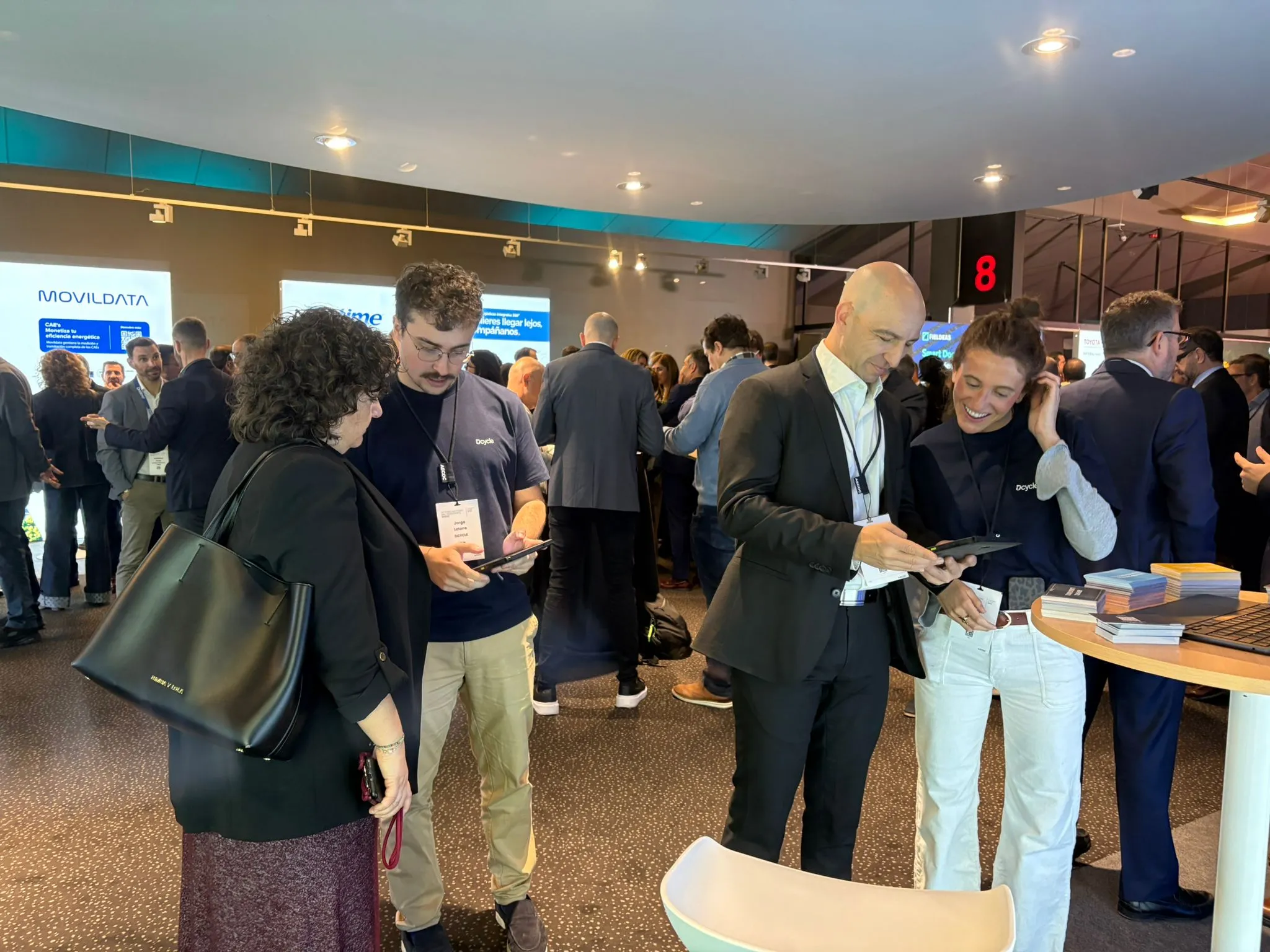
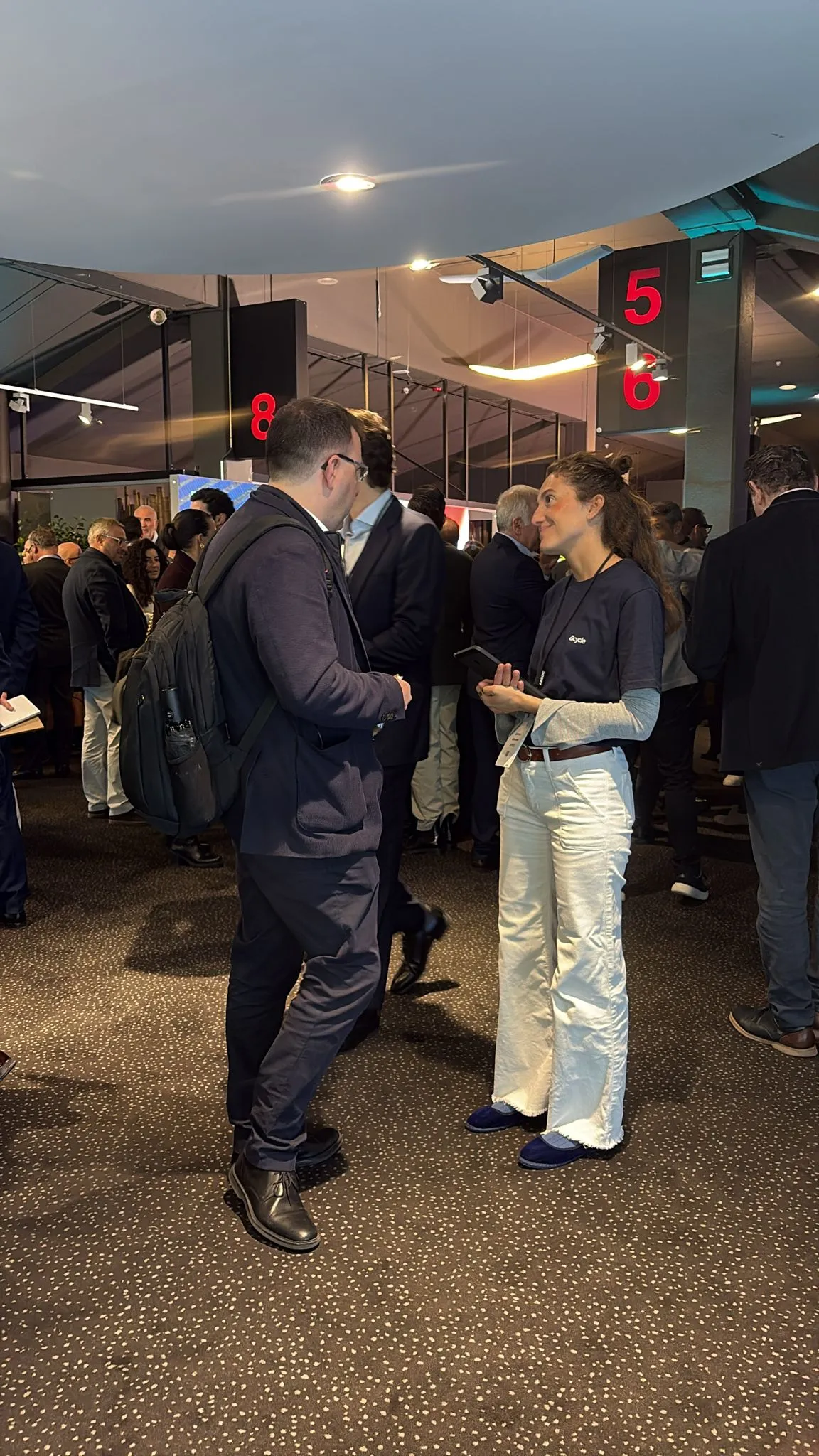
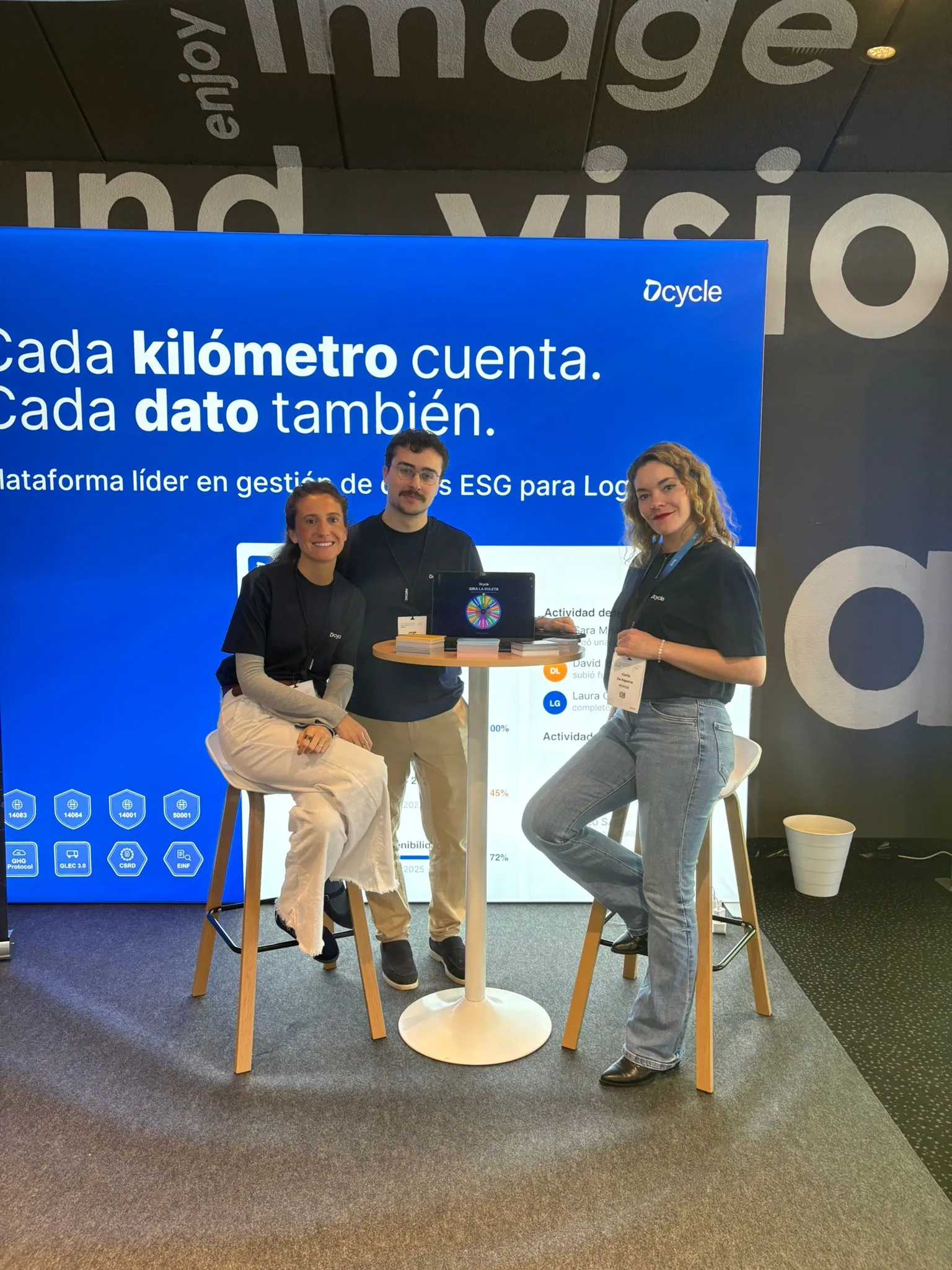
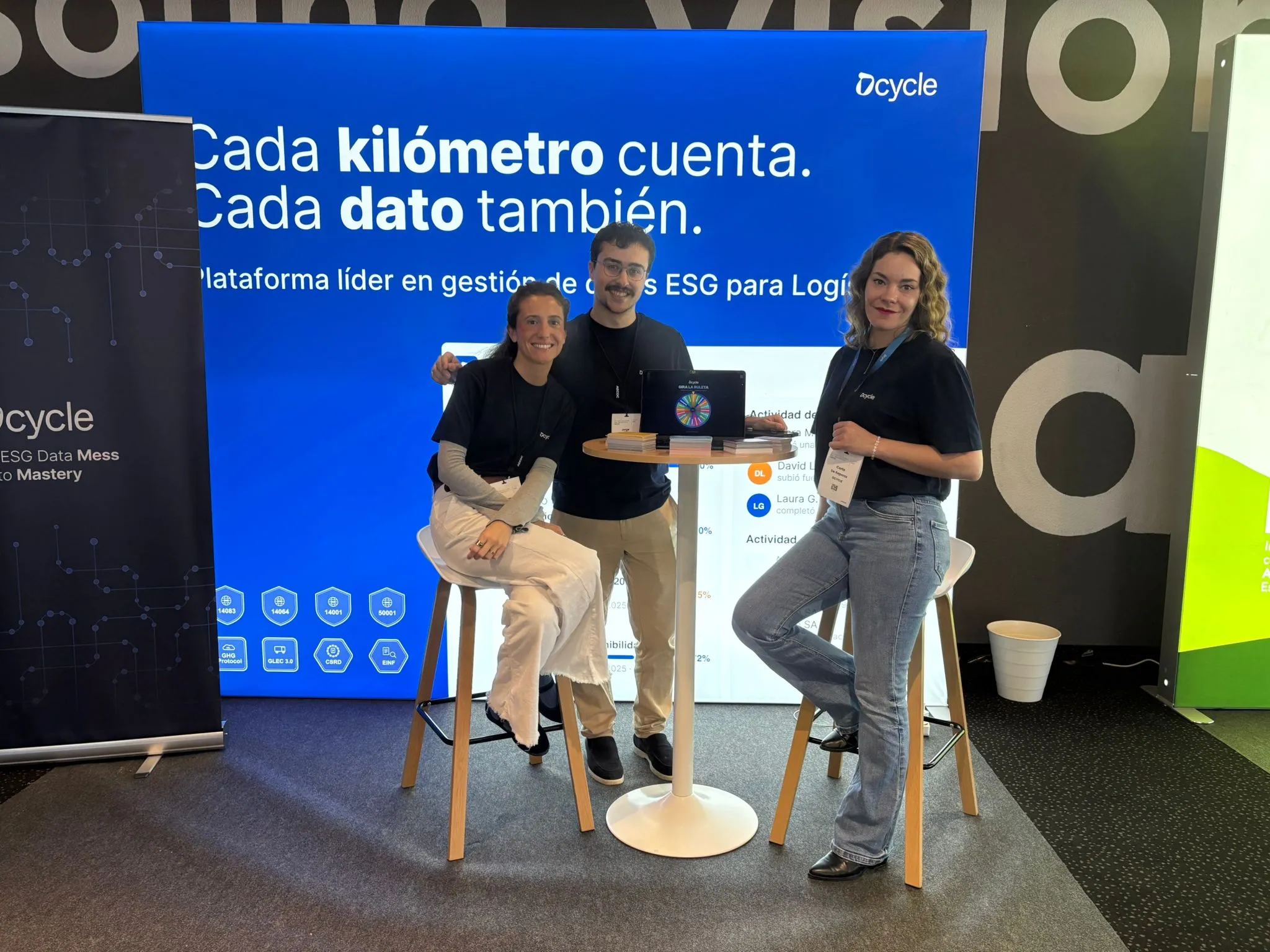
Dcycle participated as a sponsor in the 2026 edition, held at Kinepolis Ciudad de la Imagen in Pozuelo de Alarcon, Madrid. The forum brought together transport company directors, logistics managers, shippers, and public administration authorities to discuss the most pressing challenges facing the industry.
Our booth message said it all: “Cada kilometro cuenta. Cada dato tambien.” Every kilometre counts, and so does every data point. That is the reality for logistics companies navigating the intersection of operational efficiency and sustainability compliance.
One of the central themes of the forum was the impact of European regulation on transport models.
Jean-Louis Colson from the European Commission opened the day with a session on how EU legislation is reshaping logistics operations. Rocio Baguena from the Ministry of Transport and Sustainable Mobility discussed the national implementation of these directives.
For Dcycle, this is a critical moment. Transport and logistics companies are increasingly required to measure and report their carbon footprint across Scope 1, 2, and 3 emissions. The new digital documentation mandate taking effect in October 2026 adds another layer of data management complexity that demands a structured approach.
The forum also addressed the digital transformation of the sector, with sessions on autonomous truck technology led by Raquel Urtasun, CEO of Waabi, and discussions on how digitalization can solve the driver shortage crisis affecting service capacity across Europe.
From Dcycle’s perspective, the transport sector faces the same fundamental problem we see across all industries. Scattered data, fragmented processes, and no unified architecture to connect operational data with sustainability reporting requirements. Companies in logistics deal with fleet data, fuel consumption, route optimization, and supplier emissions all living in different systems.
Dcycle’s presence at the AECOC forum reflects our commitment to the sectors where ESG data complexity is highest. Transport and logistics companies manage vast amounts of operational data that feeds directly into carbon footprint calculations, CSRD reports, and decarbonization plans.
Our automated data collection capabilities connect with the ERPs, fleet management systems, and fuel tracking tools that logistics companies already use. Instead of rebuilding data pipelines for each framework, companies can collect once and report to CSRD, GHG Protocol, CDP, and EcoVadis from the same source of truth.
The booth also featured our ESG roulette, which proved once again that lead capture works better when people are having fun. Attendees spun the wheel, answered ESG questions, and walked away with Dcycle-branded merchandise.
If your company operates in transport and logistics and needs to turn operational data into structured ESG reporting, let’s talk.
See how Dcycle can cut your reporting time by 70% and give your auditors what they need , the first time.
See Dcycle in action