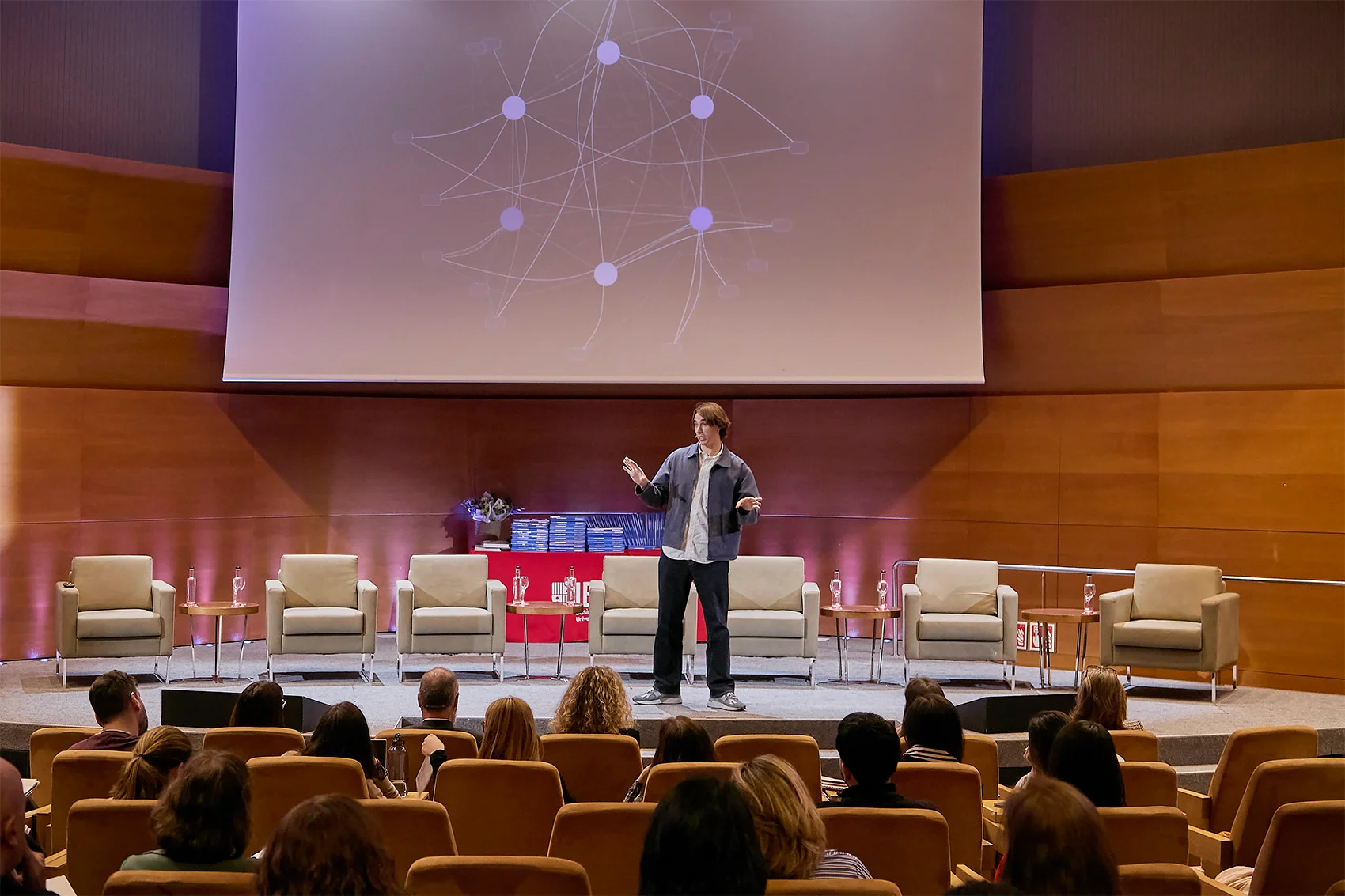
March 19, 2026 Barcelona, Spain 400+ attendees
Corresponsables Barcelona 2026: sustainability managers as data gatekeepers
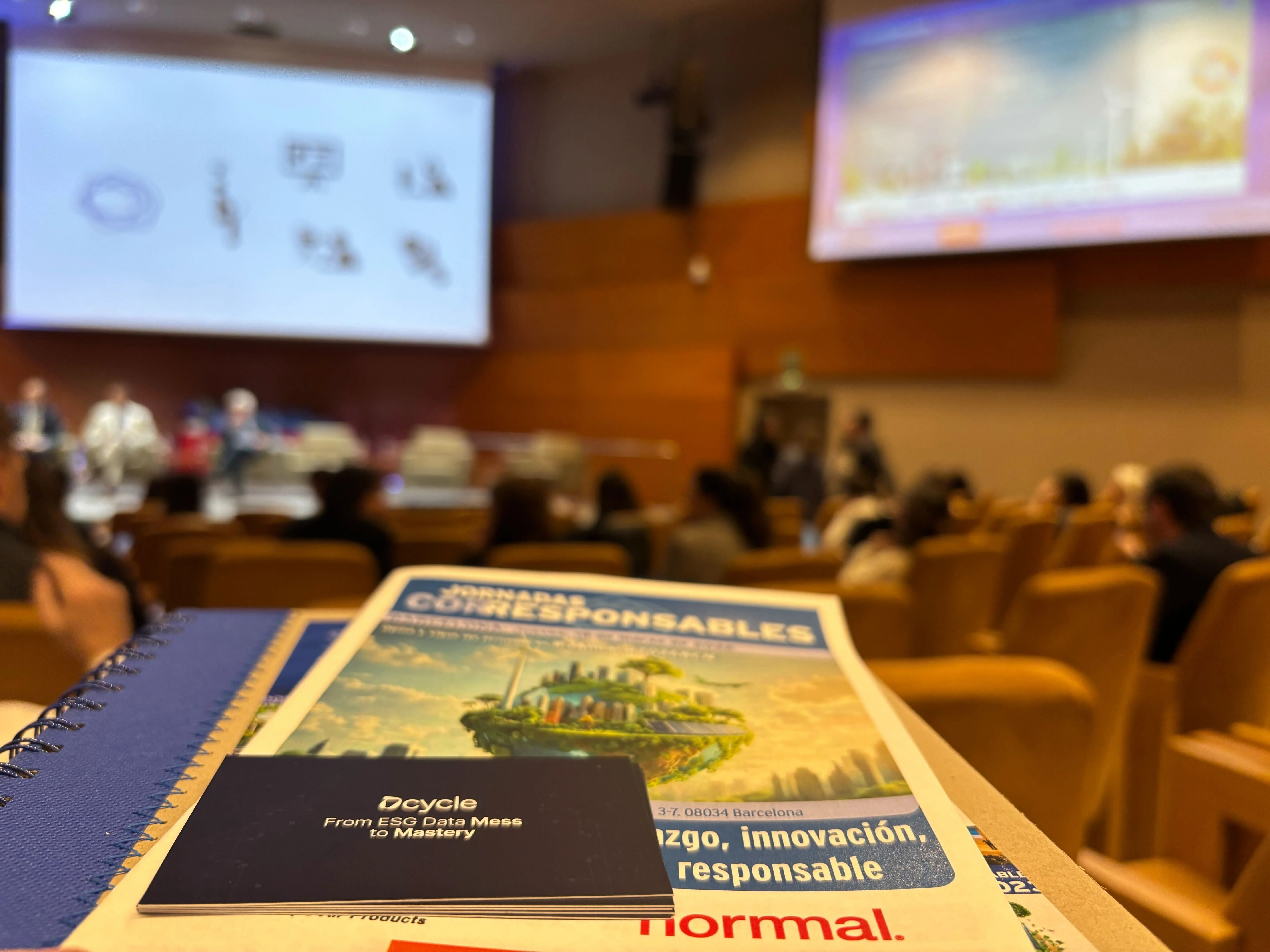
 IESE Business School, Jornadas Corresponsables #JAnuario2026BCN IESE Business School, Jornadas Corresponsables #JAnuario2026BCN
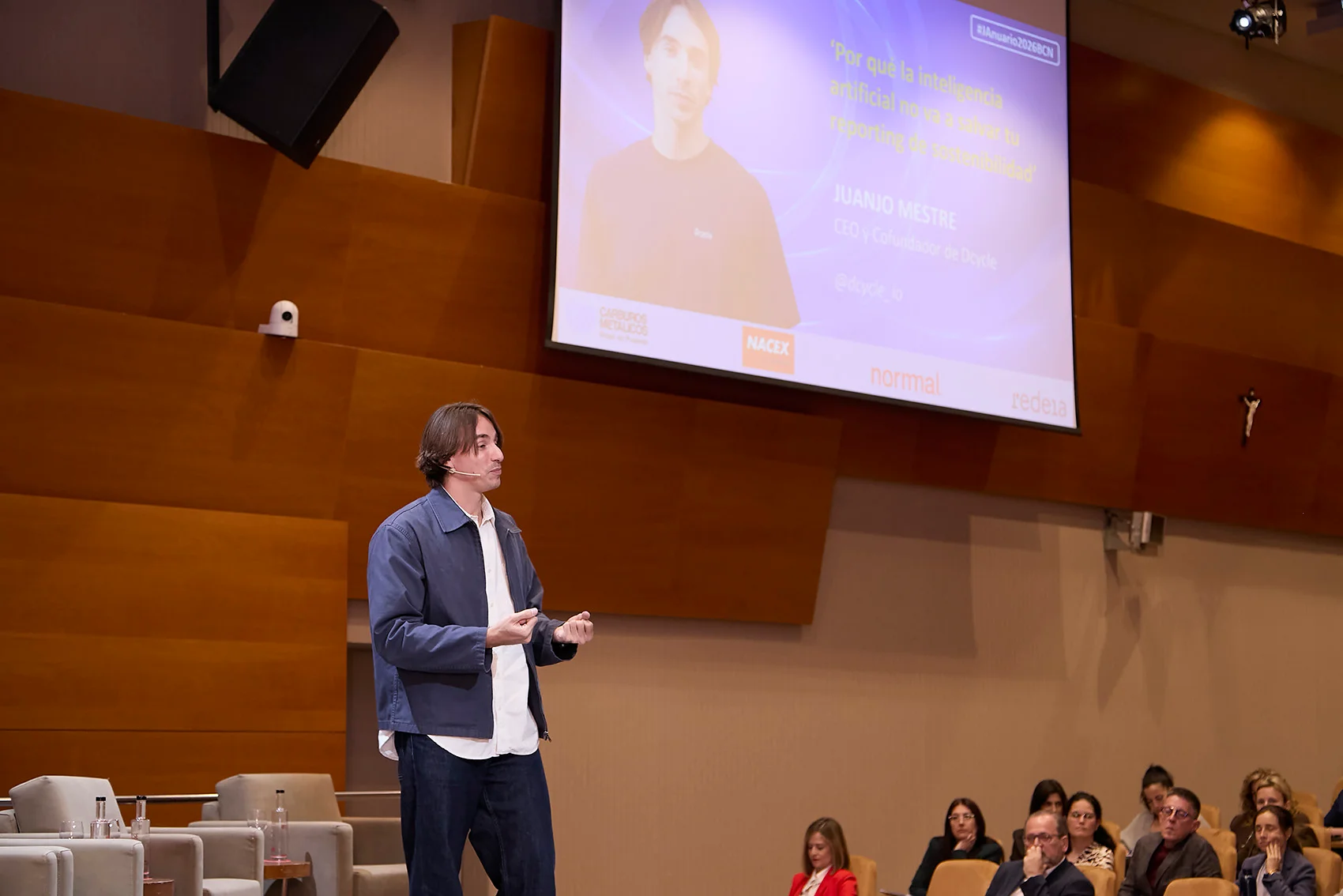
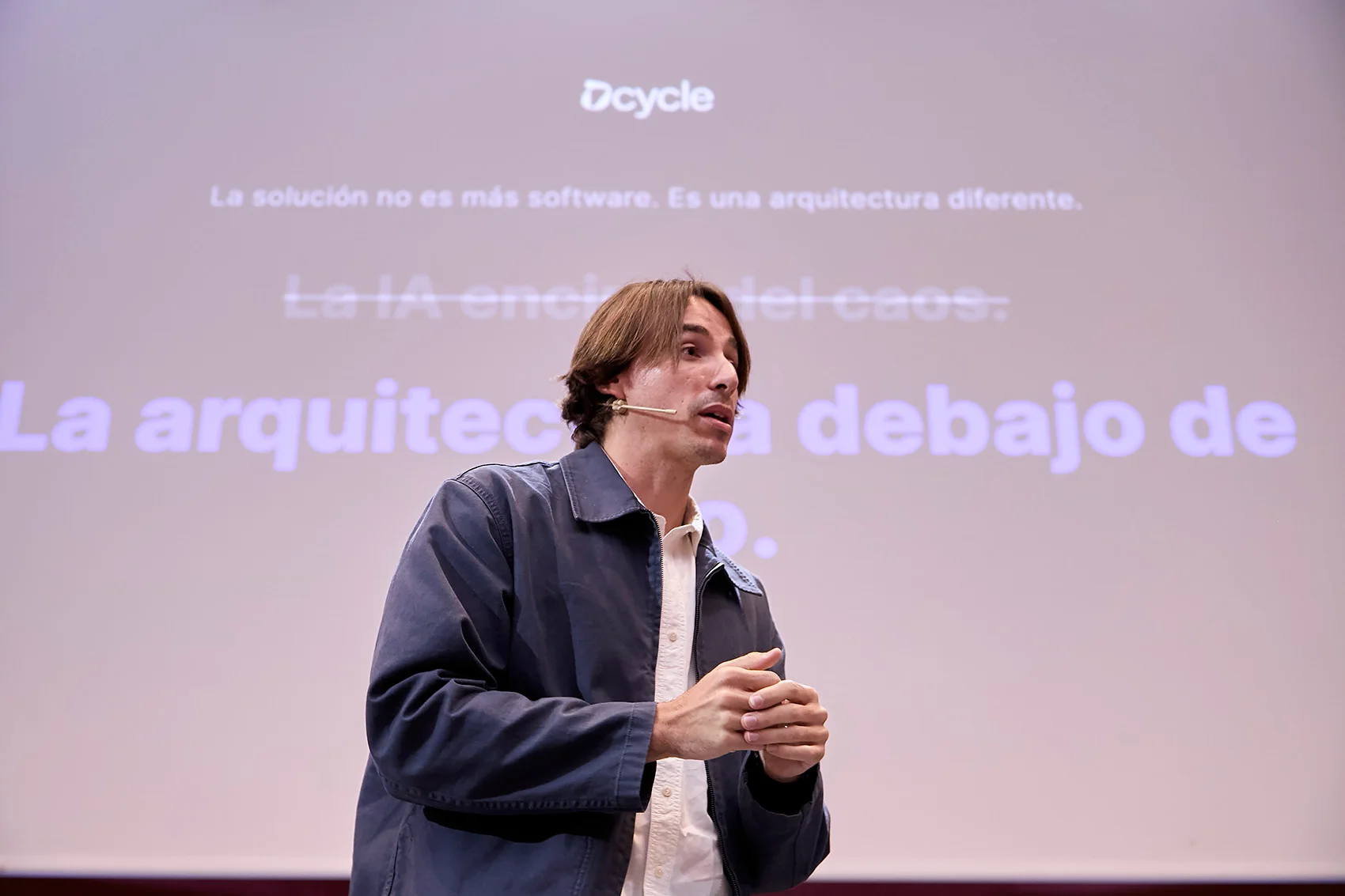
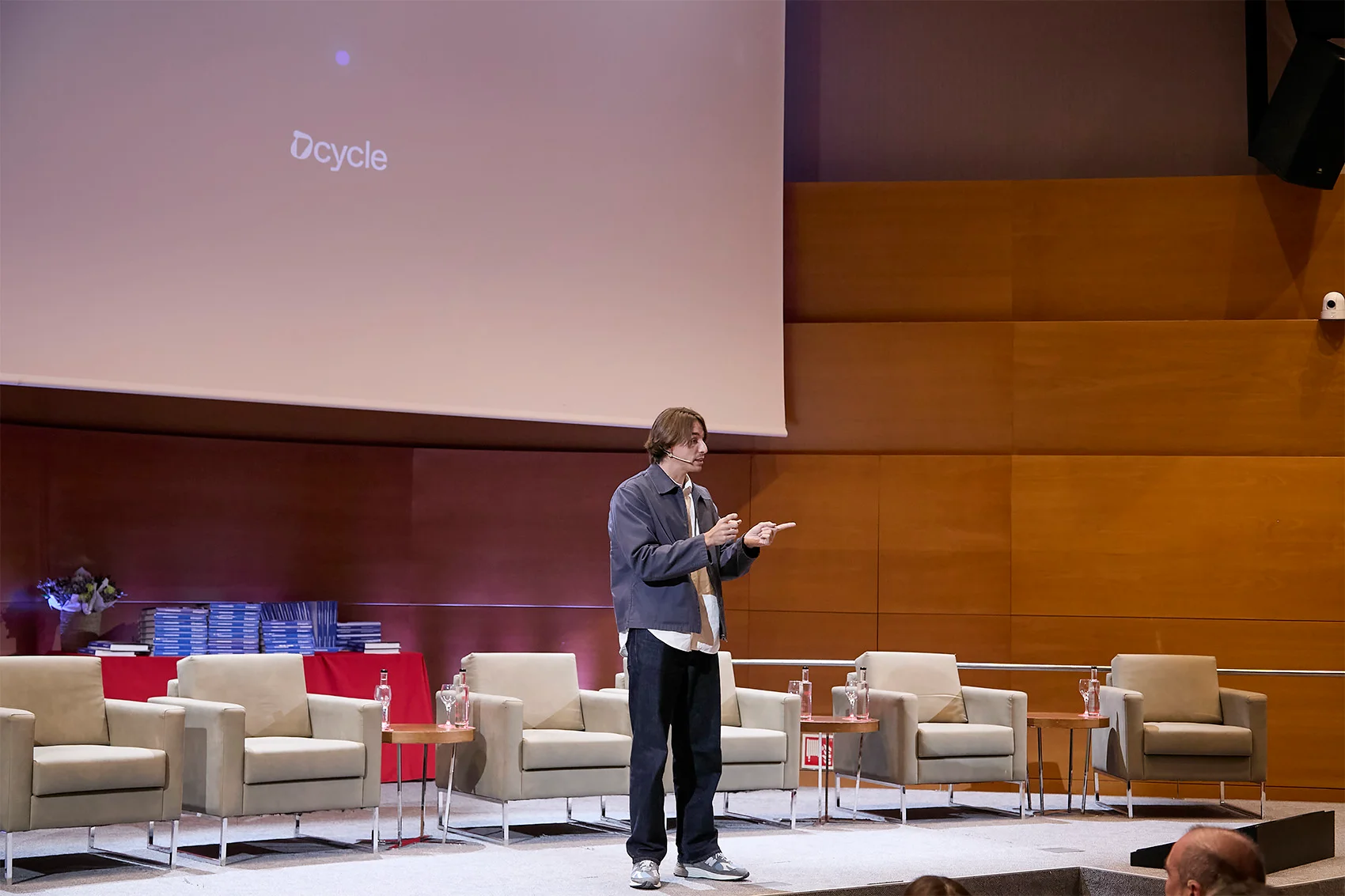
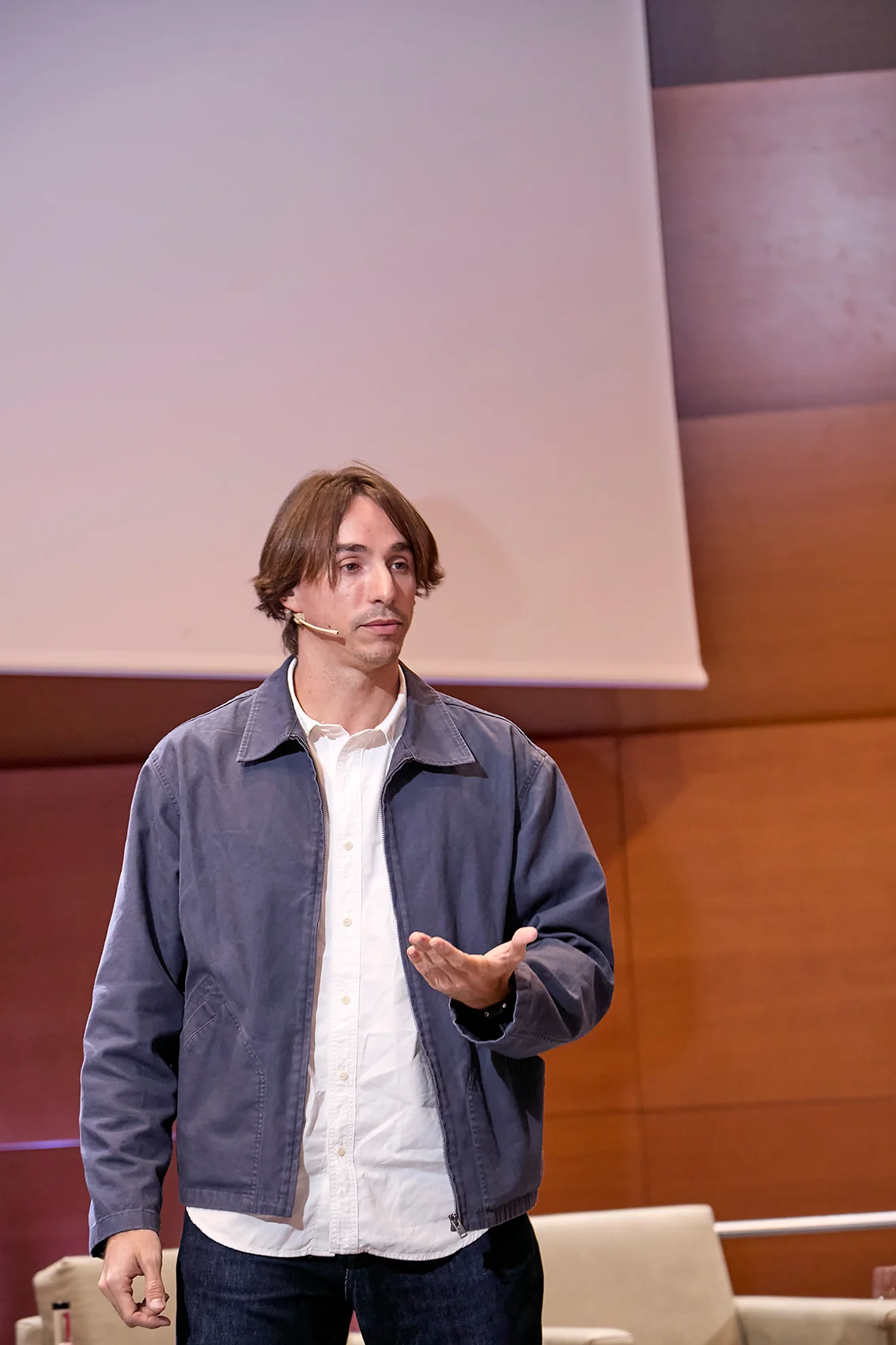
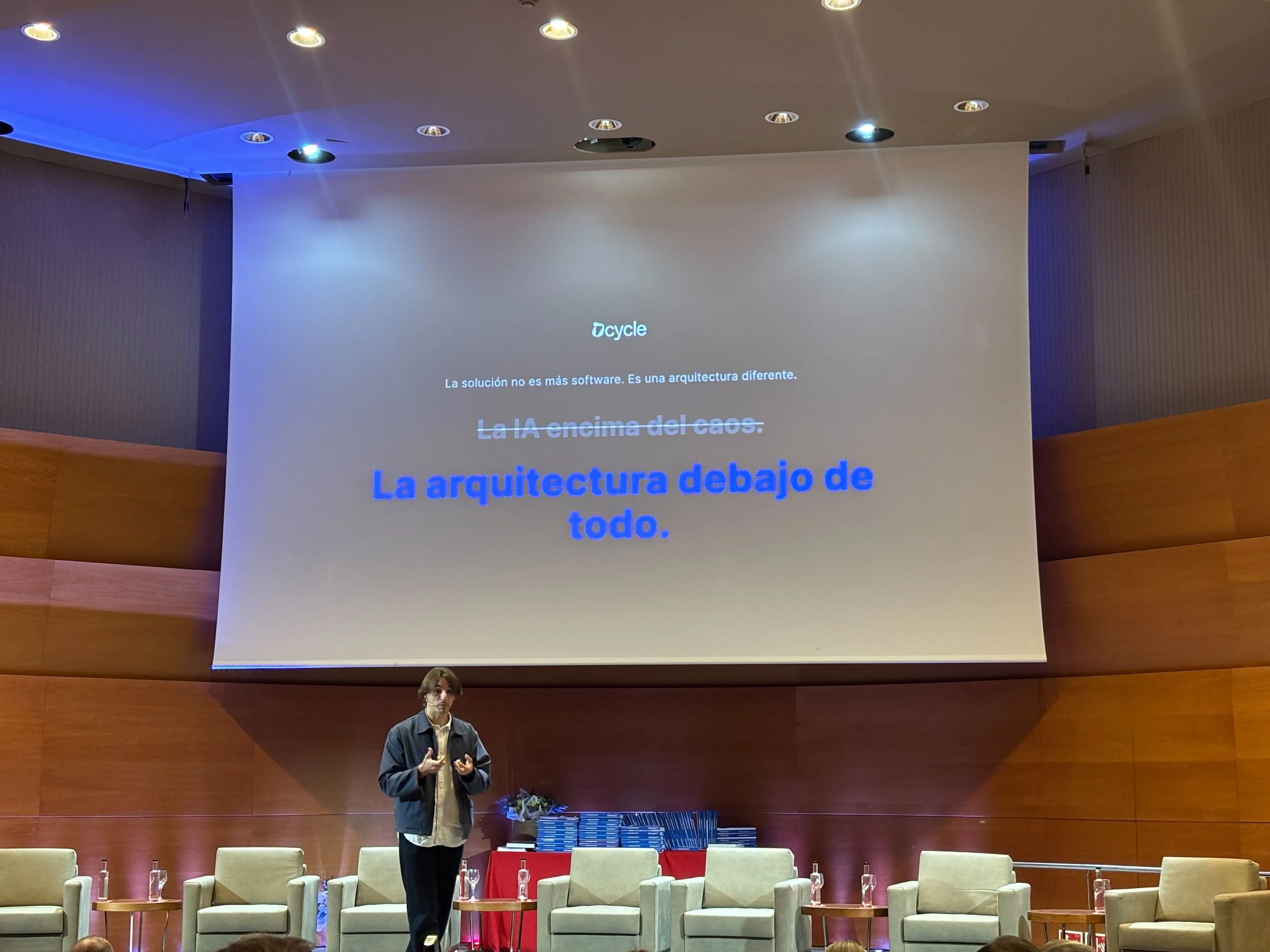
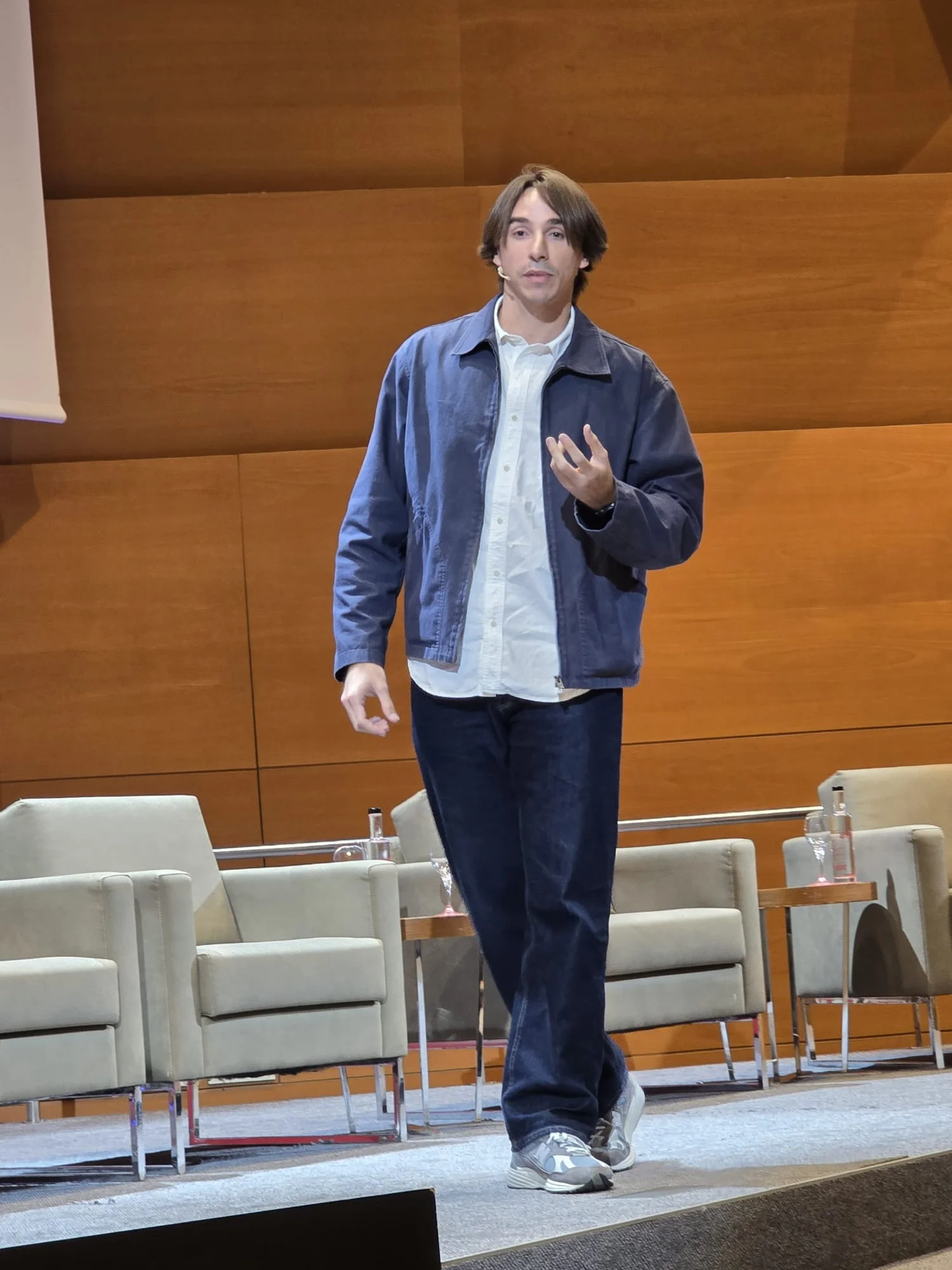
 That was the provocation Juanjo Mestre, CEO and co-founder of Dcycle, dropped during the “Innovative Good Practices” session at Jornadas Corresponsables Barcelona 2026. No slides. No rehearsed pitch. Just a reflection born from a trip to San Francisco the week before and a very telling email exchange that revealed where corporate AI is actually headed.
The setup was simple. While Silicon Valley was busy declaring that data is the new gold and AI is the new banking industry, Juanjo’s mind was somewhere else entirely: in this very room, with sustainability directors, managers, and analysts who have spent years doing the unglamorous work of chasing gas invoices, electricity bills, water consumption data, and supplier questionnaires.
His argument: if operational data really is the gold everyone now wants, then sustainability professionals have been the miners all along. They are the ones who know how to navigate departmental silos, convince reluctant colleagues to share information, and stitch together the scattered datasets that companies need to report under CSRD, GHG Protocol, or any other framework.
Juanjo opened with an anecdote. The week before, he was negotiating a company acquisition over email. He sent a carefully crafted four-paragraph message on a Friday afternoon. Forty seconds later, a response arrived: well-structured, coherent, with sensible arguments. Impressive speed.
Then they got on a call. The other person could not explain what their own email said. They had written it with ChatGPT and had not even read it before sending.
The story got a laugh, but the point was sharp. As AI tools become ubiquitous, the question is not whether AI will replace jobs. The question is what kind of relationship people will have with the technology. And in the sustainability world, that relationship is about to become the most valuable one in the company.
The core insight Juanjo shared came from conversations at OpenAI and other AI companies in San Francisco. Their engineers said the hardest problem in enterprise AI is not building better models. It is accessing operational data: the real, messy, cross-departmental information that lives behind people, systems, and territorial boundaries inside organizations.
That is exactly the problem sustainability teams solve every day. They are the ones who have built the relationships, mapped the data flows, and created the connectors between departments that would otherwise never talk to each other.
Juanjo put it directly: the gap AI is creating in companies right now is an opportunity for sustainability professionals to become some of the most relevant people in their organizations. They already hold the data relationships that AI needs to function. The automated data collection infrastructure that Dcycle builds is designed precisely to formalize and scale those connections.
To make the point concrete, Juanjo shared a case from a recent pilot. A client had been struggling for months to reduce Scope 1 emissions. After deploying Dcycle’s AI agents on top of their connected data, the company discovered within weeks that some employees were using corporate fuel cards for personal vehicles. That single finding cut their Scope 1 by 5%.
The insight was only possible because the system connected people to consumption patterns to vehicle assignments and ran AI models on top of those relationships. No amount of manual auditing would have caught it. It required a data architecture for carbon footprint that linked operational data across departments.
The day brought together 400+ professionals under the theme “Sustainability 360: leadership, innovation, regulation, and responsible communication.” The opening institutional session featured representatives from IESE, the Generalitat de Catalunya, and the Spanish Ministry of Labour.
The corporate roundtable moderated by Antonio Argandona from IESE included Xavier Ribera from BASF, Clara Roig from Carburos, and Eva Pagan from Redeia, all discussing how sustainability needs to be embedded into operations, not just reporting.
Juanjo’s session, moderated by Joan Fontrodona from IESE’s Business Ethics department, also featured speakers from Nacex, Tots Som de Cor, Hijos de Rivera, Grupo Sifu, Lactalis, and Normmal. Each brought a different angle on innovation, but the thread connecting them all was the same: sustainability is no longer a compliance function. It is becoming core infrastructure.
The afternoon sessions expanded into stakeholder reflections with B Corp Spain, Dircom, DIRSE, Fundacion SERES, the UN Global Compact, and Respon.cat, reinforcing the multi-stakeholder approach that defines the Corresponsables ecosystem.
Juanjo closed with an invitation. The shift from compliance function to strategic data role is happening now. Companies that recognize this early will build the internal architecture that makes AI useful, not just impressive. Those that do not will keep writing emails with ChatGPT and not reading them.
If your sustainability team is ready to move from data mining to data mastery, let’s talk.
See how Dcycle can cut your reporting time by 70% and give your auditors what they need , the first time.
See Dcycle in action