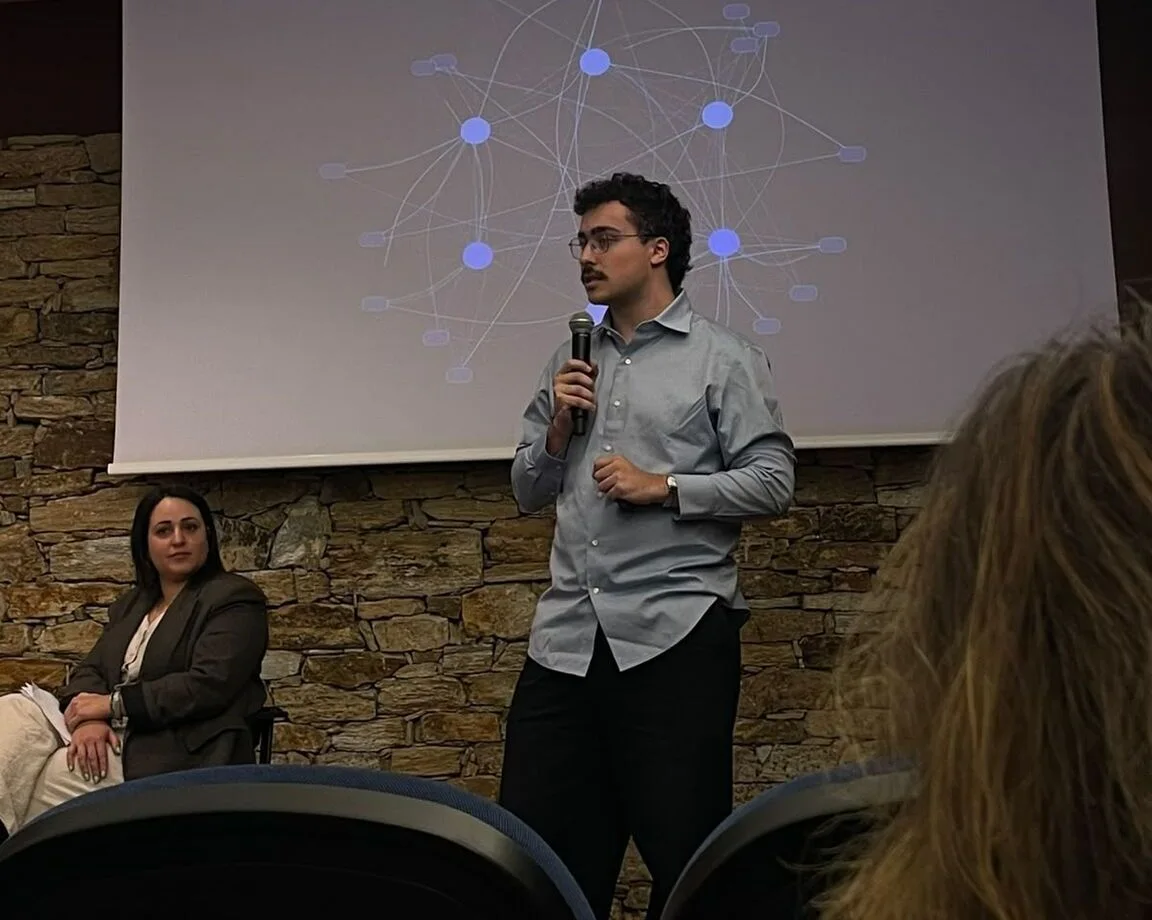
 Sede Afundación Vigo, Jornadas Corresponsables #JAnuario2026VIGO
 In many companies, the same number can be three numbers at once. Ask procurement for the energy consumption in kWh over a given period and you get one figure. Ask operations for the same thing and you get another. Same company, same period, same concept, and yet they do not match. As long as nobody verifies which one is correct, all of them are simultaneously possible.
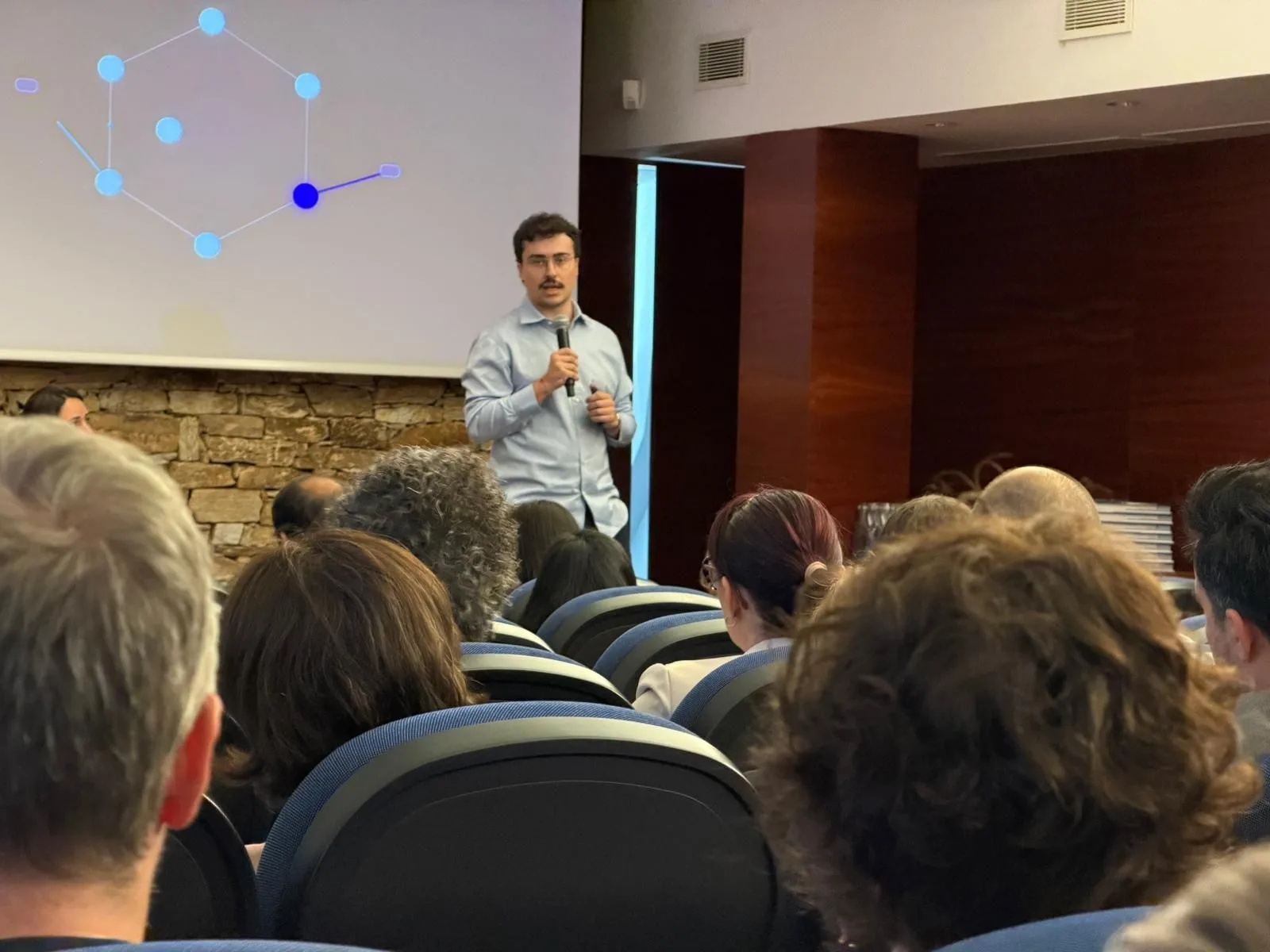
That is what Jorge, sustainability consultant at Dcycle, called the Schrödinger data problem when he opened the SME best-practice session at the Jornadas Corresponsables 2026 in Vigo. The reference is to the Austrian physicist’s thought experiment: the cat inside the box is alive and dead at the same time until someone opens it. A non-financial data point behaves the same way. It is right and wrong at once until somebody decides which version is the truth.
This is not carelessness, and it is not a lack of individual rigour. It is structural. Data is a reflection of how people relate to each other inside an organisation. When information lives in silos, the number cannot be reliable, no matter how good the technology layered on top of it is.
The session opened by dismantling a widespread expectation: that artificial intelligence is going to solve the problem of sustainability reporting. The argument Dcycle brought to Vigo is that it will not, and that the real problem comes before any technology.
AI can read documents, cross-reference sources, draft an entire report in minutes, and adapt it to any standard. But it does all of that on top of the data you feed it. If that foundation is broken, AI does not repair it. It accelerates the chaos, producing faster results built on incorrect information.
This is why automated data collection only delivers on its promise once the underlying structure is sound. The value of AI in CSRD, the GHG Protocol, or Spain’s EINF is real, but it is conditional. Solve the architecture first, and the technology starts saving weeks, spotting inconsistencies, and cross-checking sources no human would reconcile by hand.
If data is the new gold, as the AI researchers in Silicon Valley keep repeating, then sustainability professionals are the miners. They are the ones who have spent years extracting information nobody else in the company organises: energy consumption by site, social risk across the supply chain, the carbon footprint of processes that operations had never even mapped.
That accumulated knowledge is a map of non-financial data. It is imperfect and fragmented, sometimes saved in folders with names only their creator understands. But it is a map, and it is one that almost nobody else in the organisation holds. That puts sustainability teams in a strategic position that very few people inside a company can claim.
The real work, Jorge argued, is not producing better reports. It is building the foundation that makes those reports true. A single place where non-financial data lives in an orderly, traceable, and verifiable way. Where the number is resolved before anyone needs it. Where the box is already open.
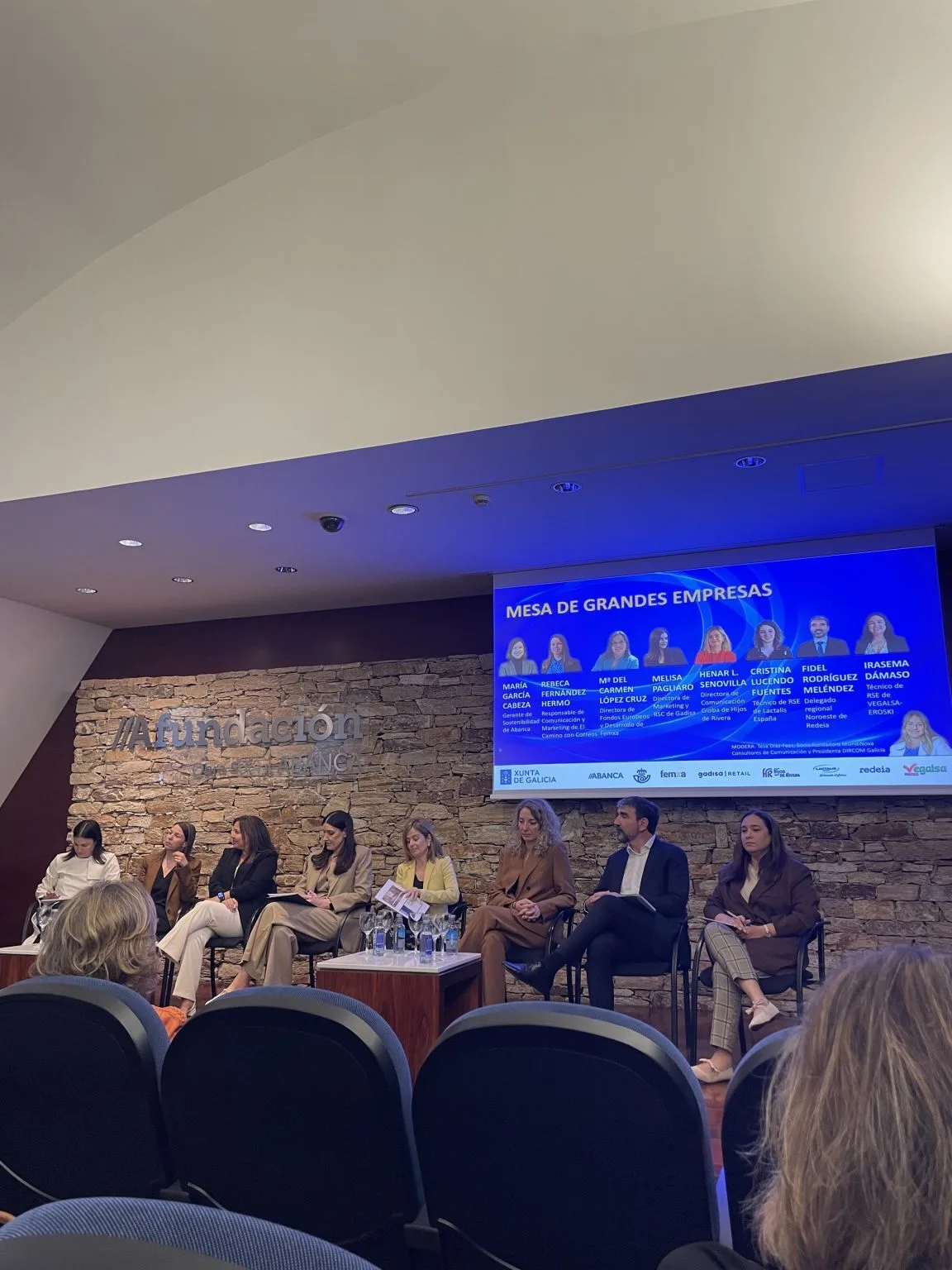
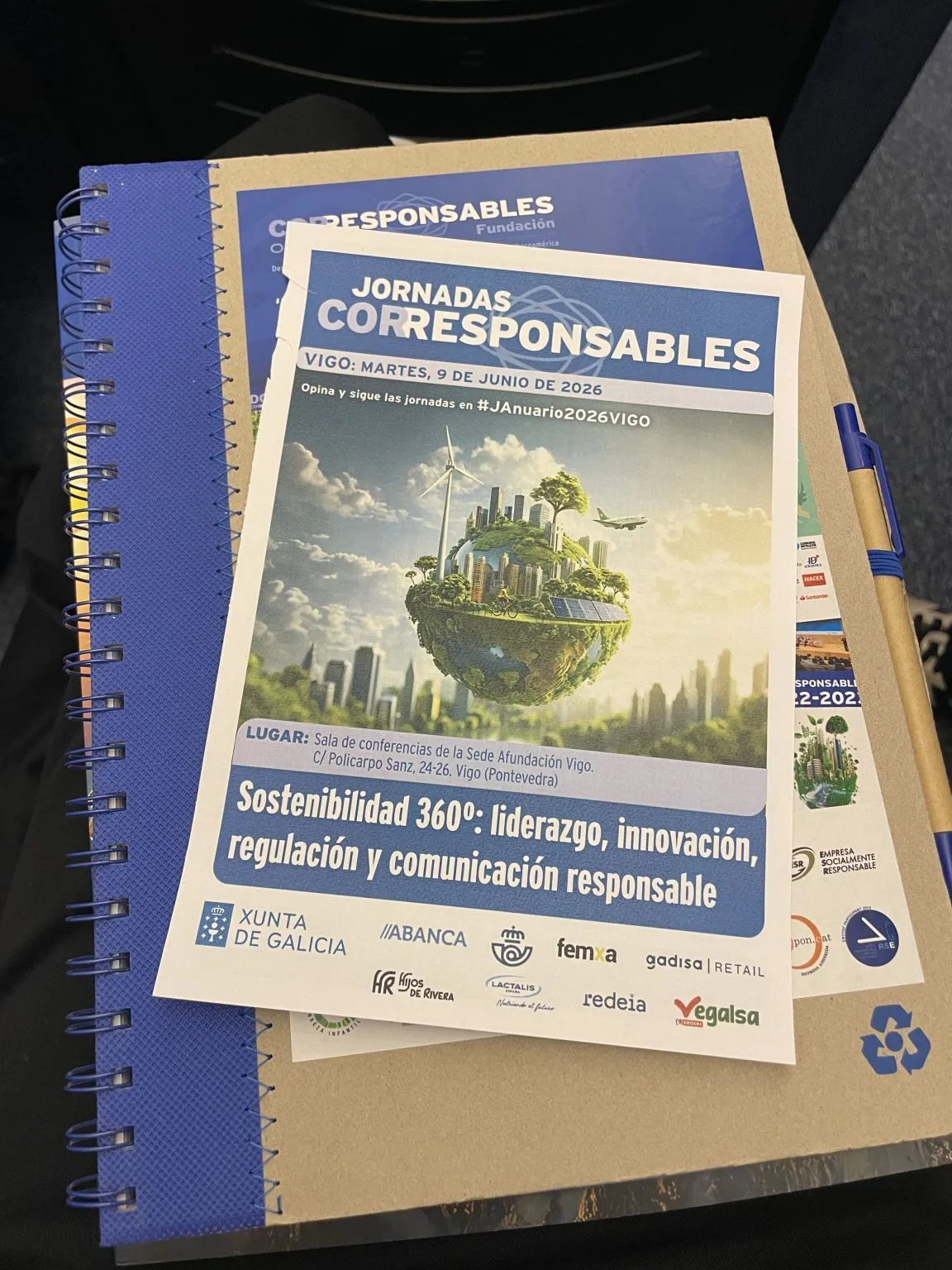
The Jornadas Corresponsables Vigo 2026, organised at the Sede Afundación under the theme “Sostenibilidad 360: liderazgo, innovación, regulación y comunicación responsable”, gathered companies from across sectors sharing real cases, including ABANCA, Correos, Femxa, GADISA, Hijos de Rivera, and Grupo Lactalis. Across the panels, the recurring root cause was the same: reliable data depends on how the organisation is wired, not on the reporting tool chosen at the end.
The conclusion is straightforward. The only people in the company who understand which data is needed, where it comes from, and what it means are the sustainability professionals. The challenge is building the architecture that holds it together. If your team is ready to open the box, let’s talk.
Thirty minutes with our team. We show you how your data would come in, and what you would get out.